Plaistow Garden Maintenance Rules and Newham Council Fines: What Local Homeowners Need to Know
If you live in Plaistow, garden upkeep is not just about kerb appeal. It can affect neighbours, pavements, pests, and whether your home stays on the right side of Newham Council's expectations. That is why Plaistow garden maintenance rules and Newham council fines matter more than many people realise. One overgrown hedge, a pile of cuttings left out too long, or a front garden that keeps spilling onto the footway can turn into a complaint pretty quickly.
Truth be told, most problems are avoidable. You do not need to turn your garden into a showpiece. You just need to keep on top of the basics, understand where council enforcement can come in, and know when a tidy-up is not enough. This guide breaks all that down in plain English, with practical steps, common pitfalls, and a few local realities that are easy to miss if you are only looking at the rules in theory.
We will also look at sensible maintenance routines, what tends to trigger a complaint, how fines usually fit into the picture, and where professional help can save you time and hassle. If you want to keep things simple, start with regular upkeep through garden maintenance support in Plaistow and use the rest of this article as your local compliance guide.
Table of Contents
- Why Plaistow garden maintenance rules and Newham council fines Matter
- How Plaistow garden maintenance rules and Newham council fines Works
- Key Benefits and Practical Advantages
- Who This Is For and When It Makes Sense
- Step-by-Step Guidance
- Expert Tips for Better Results
- Common Mistakes to Avoid
- Tools, Resources and Recommendations
- Law, Compliance, Standards, or Best Practice
- Options, Methods, or Comparison Table
- Case Study or Real-World Example
- Practical Checklist
- Conclusion
- Frequently Asked Questions
Why Plaistow garden maintenance rules and Newham council fines Matter
Garden maintenance rules matter because gardens do not exist in a vacuum. In a busy London borough like Newham, a neglected front or back garden can affect shared boundaries, block sightlines, attract vermin, and make a property look unsafe or poorly managed. That can trigger neighbour complaints, landlord concerns, or council attention. And once a complaint lands, things can move faster than people expect.
Newham Council's approach is usually practical rather than dramatic at first. The issue is typically not "you forgot to mow the lawn once." It is more often about repeated neglect: persistent overgrowth, accumulation of waste, overflowing vegetation, or materials stored in a way that creates nuisance or hazard. In other words, one messy weekend is not the same as a garden that has clearly been left to slide for months. But if the problem keeps building, enforcement can follow.
This is why it helps to think in terms of habits, not emergencies. A garden that is checked weekly and properly cleared seasonally is far less likely to cause bother than one that only gets attention when someone is already annoyed. To be fair, a lot of fines and formal warnings start with something small that became visible to the wrong person at the wrong time.
Expert summary: Keep your garden tidy enough that it does not create nuisance, obstruction, pest risk, or safety concerns. That is the simple rule most people can work from, even before they look at specific enforcement issues.
There is also a human side to this. In terraced streets and tightly packed housing, one untended garden can feel bigger than it is. A hedge that leans over the pavement, a wheelie bin area full of clippings, or branches scraping a fence in the wind can bother neighbours day after day. Nobody wants to be "that house." Let's face it, once the complaint has been made, the mood changes.
How Plaistow garden maintenance rules and Newham council fines Works
In simple terms, the process usually works like this: a garden becomes untidy or problematic, someone reports it, and the council decides whether it meets the threshold for action. If it does, the first step is often contact, advice, or a notice to improve. If the issue continues, more formal enforcement can follow, which may include fines or costs linked to unresolved work.
Not every garden problem leads to a fine. That is important. Councils generally look at the seriousness, persistence, and impact of the issue. A patchy lawn is not the same as a front garden packed with broken items, stacked waste, or vegetation growing into public space. If you are unsure where your situation sits, the safest approach is to treat anything that creates obstruction, nuisance, or visible neglect as something to fix sooner rather than later.
Typical garden maintenance concerns in Plaistow can include:
- Overgrown grass that makes the property look abandoned
- Hedges or shrubs encroaching onto pavements or shared access areas
- Green waste and cuttings left out in a way that smells or blows around
- Dead plants, fallen branches, or storm debris not cleared promptly
- Untidy front gardens that create a hazard or attract complaints
- Blocked access routes, especially where bins, bikes, or planters are stored badly
What many residents miss is that the council is not only concerned with looks. Safety and nuisance matter just as much. A slick-looking garden can still be non-compliant if branches are hanging low over the pavement or if the area is creating a trip hazard. On the other hand, a slightly wild but well-managed garden is usually less of an issue if it does not spill into public space or cause problems for others.
If the concern is mainly about buildup or one-off clutter, a professional garden clearance service can be a sensible reset before the issue becomes a formal complaint. For seasonal upkeep, a broader services overview is often the easiest way to see what kind of support fits your situation.
Key Benefits and Practical Advantages
Good garden maintenance is not just about avoiding trouble. It has a bunch of everyday upsides that make life easier, calmer, and often cheaper in the long run. A tidy, managed garden tends to stay manageable. A neglected one can snowball in a way that is oddly impressive and mildly annoying at the same time.
- Lower risk of complaints: Neighbours are less likely to raise concerns about overgrowth, mess, or blocked access.
- Reduced enforcement risk: If the garden looks cared for, it is less likely to attract council attention.
- Better safety: Fewer trip hazards, fewer hidden branches, fewer slippery or obstructed areas.
- Improved appearance: The whole property feels more settled and lived-in.
- Less pest attraction: Regular clearing helps reduce the conditions that pests and vermin like.
- Easier seasonal work: Small, regular jobs are much less painful than one enormous catch-up job in October.
There is also a practical money angle. Repeated neglect usually costs more to fix than routine upkeep. If growth is left too long, cutting becomes more labour-heavy, waste volumes go up, and disposal becomes more awkward. Regular mowing, trimming, and clearing is simply easier to budget for. If you want clearer planning, pricing and quotes can help you understand the likely cost before work begins.
And yes, regular maintenance can be boring. But boring is good here. Boring means predictable. Predictable means no surprise visit from a complaint you did not want. Not glamorous, but very effective.
Who This Is For and When It Makes Sense
This topic matters to more people than just homeowners with large gardens. In Plaistow, garden maintenance rules can affect tenants, landlords, leaseholders, shared-house occupants, and anyone with a front-facing outdoor area. If you are responsible for the garden, even partly, you should know where the line is between ordinary upkeep and a potential nuisance issue.
It especially matters if:
- Your garden is visible from the street or shared access path
- You have hedges, boundary shrubs, or trees close to neighbours
- You store bins, tools, or materials outside
- You have a rental property and need to keep standards consistent
- You have limited time and maintenance has started to slip
- You have already received a neighbour comment or council letter
It also makes sense if you are planning a bigger tidy-up. Sometimes a garden needs more than mowing and pruning. Maybe there is old timber, broken furniture, dead planting, or accumulated waste that has quietly built up over time. In that case, a mixed approach using lawn mowing, hedge trimming, and possibly tree lopping and removal can get the space back under control in one go.
For landlords, the issue can be simple: if a property looks neglected, complaints tend to rise, and the workload on everyone else grows. For tenants, the key question is often who is actually responsible. That depends on the tenancy and property arrangement, so do check the paperwork. It is not the most exciting reading, admittedly, but it can save a lot of awkwardness later.
Step-by-Step Guidance
If you want to stay ahead of Plaistow garden maintenance rules and avoid Newham council fines, follow a routine rather than waiting for things to become obvious. Here is a practical process that works for most homes.
- Walk the garden from the pavement inward. Look at what a passer-by sees first. That view matters more than people think. Overgrowth, clutter, and blocked access show up immediately from outside.
- Check for safety hazards. Look for loose paving, low branches, slippery patches, hidden objects, or broken fencing that could cause trouble.
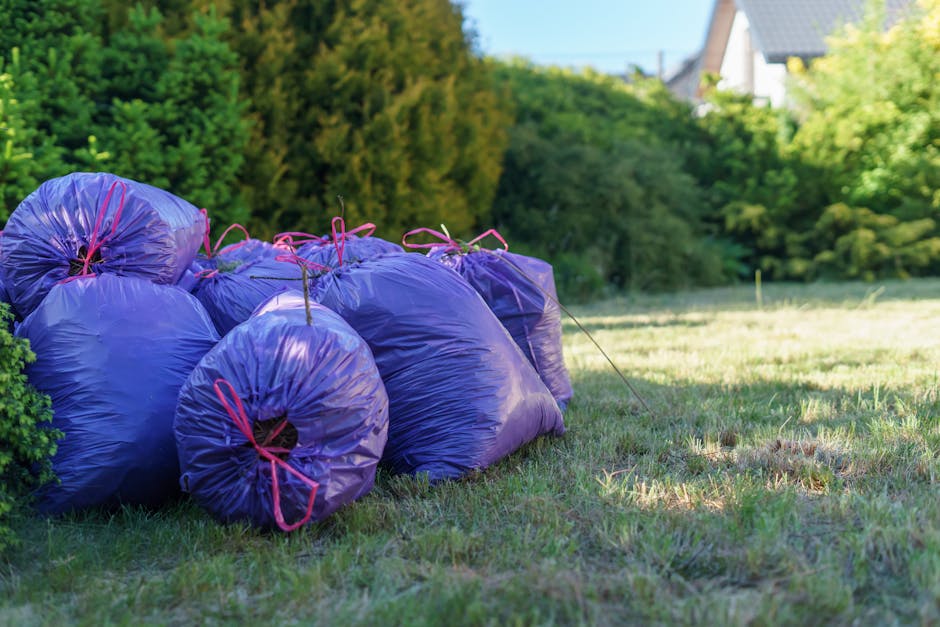
- Remove waste and loose debris. Bag up cuttings, dead leaves, and general garden waste before it gets wet, blows around, or starts smelling.
- Cut back growth that crosses boundaries. If hedges or shrubs are pushing into the pavement or neighbouring land, trim them back cleanly and carefully.
- Mow and edge the lawn. Even a short, uneven lawn looks better once the edges are sharpened. Small detail, big difference.
- Check storage areas. Move anything unnecessary out of the way. Old pots, broken tools, and spare timber tend to accumulate. Quietly, somehow.
- Keep a repeat schedule. Weekly checks in growing season and monthly deeper checks through winter usually work well for many households.
- Use outside help where needed. If the garden is too far gone for one person in one afternoon, get help before the mess becomes a bigger issue.
A useful rule of thumb: if you would be embarrassed to open the gate for a neighbour, the garden probably needs attention. That is not a legal test, obviously, but it is a pretty good real-world one.
For bigger jobs, it often helps to combine routine care with a broader maintenance plan from garden maintenance support so the work does not sit as a one-off burden on a single weekend.
Expert Tips for Better Results
Here is where a lot of people save themselves time. The trick is not heroic effort. It is a few consistent habits done before everything becomes tangled.
- Trim little and often: Light trims are easier on plants and easier on you. Overgrown hedges are far more work later.
- Handle waste immediately: Do not leave cuttings in a corner "for now." That corner has a habit of becoming permanent.
- Think in zones: Front garden, side access, back garden, boundary line. Each one creates different risks.
- Watch the weather: A dry morning is a better time for cutting back than a damp evening when everything sticks and smears.
- Prioritise visibility: The front of the property usually matters most for complaints. Start there.
- Keep tools sharp and clean: Cleaner cuts heal better and look neater. Also, blunt tools are a pain. There, said plainly.
- Plan for disposal: If you do not know where the waste will go, the work is only half done.
A small but useful habit is to take a quick phone photo before and after maintenance. It is not about showing off. It is about spotting what keeps recurring. If the same corner keeps filling with waste, or the same hedge keeps leaning back into the path, you have identified the real maintenance issue. That is often more useful than trying to remember it later.
If you want support that is more structured than an occasional tidy-up, have a look at a broader service overview and then match the work to the actual problem rather than guessing.
Common Mistakes to Avoid
The biggest mistakes are usually not dramatic. They are the everyday oversights that gradually create a council complaint or a neighbour dispute.
- Leaving garden waste at the boundary: Even if it is "only for a day," rain and wind change that story fast.
- Letting hedges creep outward: What feels like a small encroachment can become a pavement issue before you know it.
- Ignoring the front garden: Many people focus on the back, then wonder why the complaint came from the street side.
- Cutting too much at once: Heavy, rushed cutting can damage plants and leave the garden looking worse.
- Not checking responsibility in rented homes: Tenants and landlords sometimes assume the other side will deal with it. That gets messy.
- Using poor disposal habits: Fly-tipping garden waste, even unintentionally, can create serious problems.
- Waiting for a notice: By then, you are already working under pressure. Not ideal.
A very common one, and it happens more than people admit, is that the garden looks "fine from the kitchen window" but not from the pavement. Different angle, different reality. Councils and neighbours usually see the street view first.
If the problem is partly about overgrown branches or large shrubs, the right fix may be selective cutting rather than a full clear-out. For that kind of work, hedge trimming is often the cleaner and more proportionate option.
Tools, Resources and Recommendations
You do not need a shed full of expensive kit to keep a garden compliant, but a few basics make the job much easier. Good tools reduce the temptation to put maintenance off, which is half the battle really.
| Need | Useful tool or approach | Why it helps |
|---|---|---|
| Routine lawn care | Reliable mower and edging tool | Keeps grass short and the plot looking cared for |
| Boundary control | Secateurs, hedge trimmer, or pruning saw | Stops growth spilling into public or shared space |
| Waste management | Strong garden waste bags or bins | Prevents cuttings and debris from lingering |
| Heavy clear-outs | Skip-sized planning or professional clearance | Useful when the volume is too much for normal household disposal |
| Safety checks | Gloves, sturdy footwear, and eye protection | Reduces the chance of accidents during maintenance |
For many people, the hardest part is not the cutting itself but getting rid of the waste in a lawful, tidy way. That is why a service like garden clearance can be worth it after a long period of neglect or after a storm has left the plot scattered with branches and broken bits.
It is also wise to think about sustainability. Composting some soft waste, separating recyclable materials where possible, and avoiding unnecessary disposal all help. If you care about the environmental side of maintenance, recycling and sustainability information is a sensible place to look.
Law, Compliance, Standards, or Best Practice
Garden maintenance in Plaistow sits within a mix of local expectations, property responsibility, and broader public-safety principles. The exact enforcement route can vary, so it is safer to focus on the practical standard: do not let your garden create nuisance, obstruction, hazard, or unmanaged waste.
In practice, that means paying attention to a few broad duties:
- Prevent obstruction: Hedges, branches, and stored items should not interfere with pavements, paths, or shared access.
- Avoid nuisance: Persistent mess, smells, vermin attraction, or debris blowing around can draw complaints.
- Keep the site safe: Broken paving, unstable branches, and hidden hazards should be dealt with promptly.
- Manage waste properly: Garden waste should be collected and removed in line with normal local expectations.
- Act after storms or heavy growth: Seasonal changes can quickly push a tidy garden into a neglected state.
Best practice is not about perfection. It is about reasonable upkeep. A garden can be natural, wildlife-friendly, and a little untamed without being a problem. That distinction matters. Wild is not the same as unmanaged. The second one is where trouble tends to start.
When in doubt, ask yourself: would a reasonable person see this as cared for? Would a neighbour have a fair reason to complain? If the answer is no and no, you are probably fine. If the answer is yes, it is time to tidy up before the issue grows legs.
Options, Methods, or Comparison Table
Different gardens need different approaches. What works for a small patio in Plaistow may not suit a larger back garden with hedges and mature shrubs. Here is a straightforward comparison to help you choose the right kind of maintenance.
| Method | Best for | Pros | Limits |
|---|---|---|---|
| DIY regular upkeep | Small to medium gardens with light growth | Low cost, flexible, easy to repeat | Time-consuming, may miss deeper issues |
| One-off tidy-up | Gardens that have slipped a little | Quick reset, visible improvement | Does not solve ongoing neglect by itself |
| Scheduled maintenance | Busy households or rental properties | Consistent results, fewer surprises | Requires commitment and budgeting |
| Professional clearance | Overgrown or cluttered gardens | Fast, thorough, waste handled properly | Usually more expensive than light DIY |
| Mixed approach | Gardens with both routine and problem areas | Balanced, practical, cost-conscious | Needs clear planning |
For example, if you have grass that has gone wild, a hedge leaning into the pavement, and a pile of old pots at the side return, a mixed approach makes more sense than only mowing the lawn. This is where a combined service can be helpful, because one job often reveals the next. Not glamorous. Very real.
Case Study or Real-World Example
Picture a typical Plaistow terrace with a small front garden and a slightly larger back space. Over spring and early summer, the hedge grows faster than expected, the lawn gets skipped a few times, and the cuttings from a couple of small pruning jobs are left in bags by the fence "until the weekend." Then the weekend gets busy, the bags stay, and a neighbour notices that the hedge is starting to spill over the pavement. A complaint follows.
What happens next is usually not a dramatic showdown. More often, it is a request to put things right. But the owner now has a task to do under pressure: trim the hedge properly, remove the waste, mow the lawn, check the boundary, and make the whole place look cared for again. If there are broken branches or bulky rubbish as well, the job suddenly becomes larger than expected.
In a case like that, the fastest improvement usually comes from three actions:
- Clear everything visible from the street first.
- Cut back anything that crosses a boundary or blocks access.
- Remove waste the same day so the garden does not look half-finished.
The big lesson is simple. The issue was not a single missed cut. It was the accumulation of a few small delays. That is how most garden problems work in real life, one little thing at a time. A person means to sort it next week, then next week becomes next month.
If you are in that sort of situation now, do not panic. It is usually recoverable. Start with the visible problems, then bring the rest back under control. If needed, professional support can help you reset the garden quickly and get back to normal.
Practical Checklist
Use this checklist if you want a quick, honest self-check before a complaint turns into a bigger issue.
- Is the front of the garden tidy from pavement level?
- Are hedges, shrubs, or branches crossing into shared or public space?
- Is grass kept short enough to look managed?
- Have you removed dead leaves, cuttings, and loose debris?
- Is any garden waste stored neatly and not left to spread?
- Are paths, steps, and side access points clear?
- Have you checked for broken fencing, loose paving, or hidden hazards?
- Do any plants or trees need heavier pruning or removal?
- Have you cleared seasonal buildup after wet or windy weather?
- Would a neighbour reasonably see the garden as maintained?
If you answered "no" to several of those, the garden probably needs attention sooner rather than later. No shame in that. Gardens slip, especially when life gets busy, and London weather does not always help.
For bigger workloads, especially where clutter or old growth has built up, pairing the checklist with a professional lawn mowing service or broader maintenance visit can make a surprisingly big difference in one afternoon.
Get a free quote today and see how much you can save.
Conclusion
Plaistow garden maintenance rules and Newham council fines are really about keeping outdoor spaces safe, tidy, and reasonable for the people living around them. You do not need a perfect garden. You do need a garden that is not creating problems for neighbours, passers-by, or the property itself.
The practical message is straightforward: trim early, clear waste promptly, stay on top of the front of the property, and deal with boundary issues before they become complaints. If your garden has already slipped, the good news is that most situations can be turned around with the right plan and a bit of momentum. Start with what is visible, then deal with the rest in layers.
For ongoing support, keeping a steady routine matters far more than occasional big efforts. A few sensible habits now can save a lot of stress later, and honestly, that is usually the best outcome anyone can hope for. A calm garden is a good thing. It changes the whole feel of the house.
Frequently Asked Questions
What counts as poor garden maintenance in Plaistow?
Poor garden maintenance usually means visible neglect that creates nuisance, safety issues, or boundary problems. That can include overgrown grass, hedges spilling into pavement space, accumulated waste, or debris left sitting around for too long.
Can Newham Council fine me for an untidy garden?
In some situations, yes. The exact response depends on the seriousness and persistence of the problem. Councils typically look at whether the garden is causing nuisance, obstruction, or a hazard, rather than simply judging how neat it looks.
Does one messy weekend lead to a fine?
Usually not on its own. One-off mess is less likely to lead to enforcement than a garden that has clearly been neglected over time. That said, if the issue affects neighbours or blocks access, it is still worth dealing with quickly.
What should I do if my hedge is overhanging the pavement?
Trim it back carefully and remove the cuttings promptly. The main goal is to restore clear access and stop the hedge from creating an obstruction. If the hedge is large or awkward, professional hedge trimming can be the safer option.
Who is responsible for garden maintenance in a rented property?
It depends on the tenancy agreement and the type of maintenance involved. Some outdoor areas are the tenant's responsibility, while larger structural or boundary issues may fall to the landlord. Check the paperwork rather than guessing.
Is a wild-looking garden always a problem?
No, not necessarily. A garden can be natural, wildlife-friendly, and still be fine. The issue is usually unmanaged growth, nuisance, or safety risk. Wild is not the same as neglected.
How often should I maintain a garden in Plaistow?
For many homes, a light weekly check and a deeper monthly tidy-up works well during the growing season. In autumn and winter, the rhythm may change a bit, but regular attention is still the key.
What if my garden has too much waste to clear myself?
If the waste volume is too large or the area is heavily overgrown, professional clearance is often the simplest route. It reduces the chance of leaving things half-finished and helps ensure waste is dealt with properly.
Can garden waste itself lead to council action?
Yes, if it is left in a way that causes nuisance, attracts pests, blocks access, or creates an untidy and unmanaged appearance. Bagged waste left for too long can become part of the problem rather than the solution.
What is the best first step if I think my garden might be non-compliant?
Start with the front view and any areas visible from the street. Clear waste, cut back anything crossing the boundary, and check for hazards. If the job feels bigger than expected, book help before it becomes stressful.
Do I need professional help for every garden problem?
No, not at all. Small gardens often stay under control with routine DIY upkeep. Professional help makes more sense when the work is too heavy, too time-consuming, or involves clearance, large hedges, or awkward tree work.
How can I prevent neighbour complaints about my garden?
Keep the visible areas tidy, remove waste promptly, and deal with overgrowth before it spreads. A quick check after windy or wet weather can also help. Most complaints start with something small that was left too long.
If you need support getting things back in shape, you can also explore contact options to discuss the right kind of help for your garden and keep things moving smoothly.